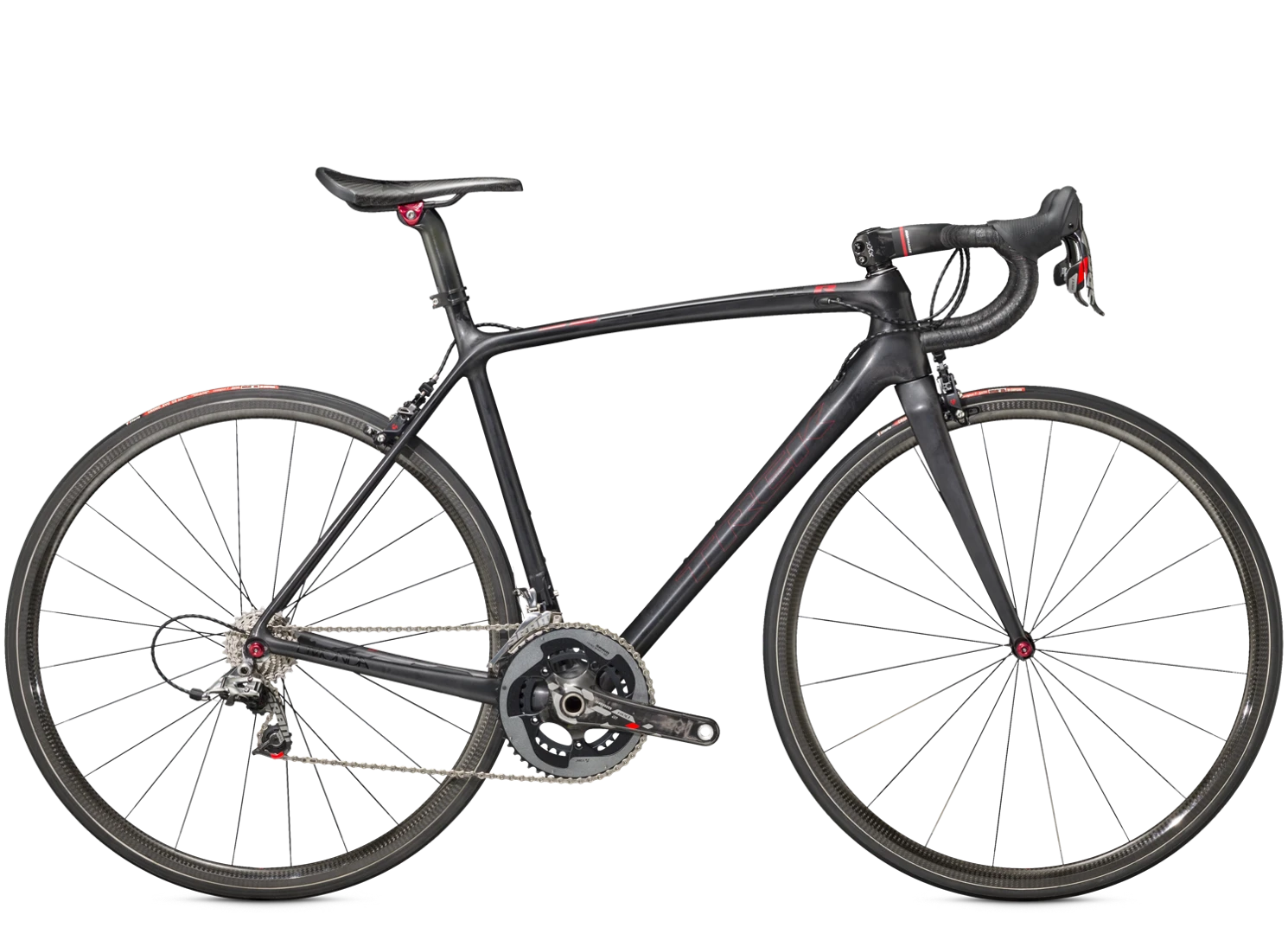
Émonda
I initiated the ten-pound bicycle concept and led a team in Émonda’s development. Trek’s launch-announced weight for the original SLR 10 was 10.25 lb for a complete 56 cm bicycle.
The ten-pound bikeI develop composite products and the manufacturing capability behind them.
I’m a former Trek engineer with more than 20 years of experience across manufacturing engineering, composite product development, and production programs in Taiwan and China. My work includes initiating the ten-pound Émonda concept and leading a development team, co-inventing the pivot behind IsoSpeed, and training design and process engineers at Giant and Quest.
I connect material selection, laminate design, test results, and manufacturing requirements. That work includes technical decisions through production release, along with the development and troubleshooting needed to make a design repeatable.
Three projects: the product, the production capability and the test system.
01I initiated the ten-pound bicycle concept and led a team in Émonda’s development. Trek’s launch-announced weight for the original SLR 10 was 10.25 lb for a complete 56 cm bicycle.
The ten-pound bike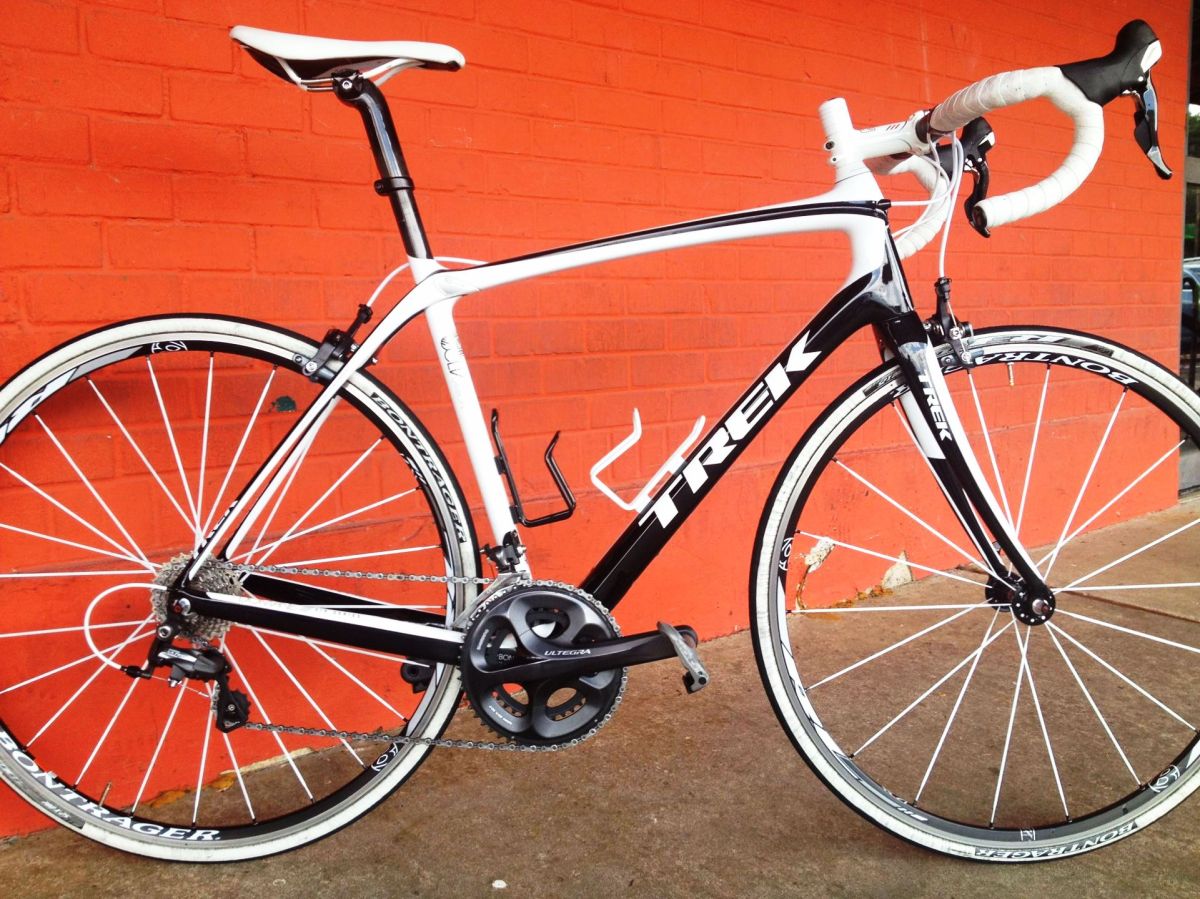
Beginning with the Domane program, I worked on frame development and trained Quest’s design and manufacturing/process engineers in composite design, production and troubleshooting.
Developing Domane production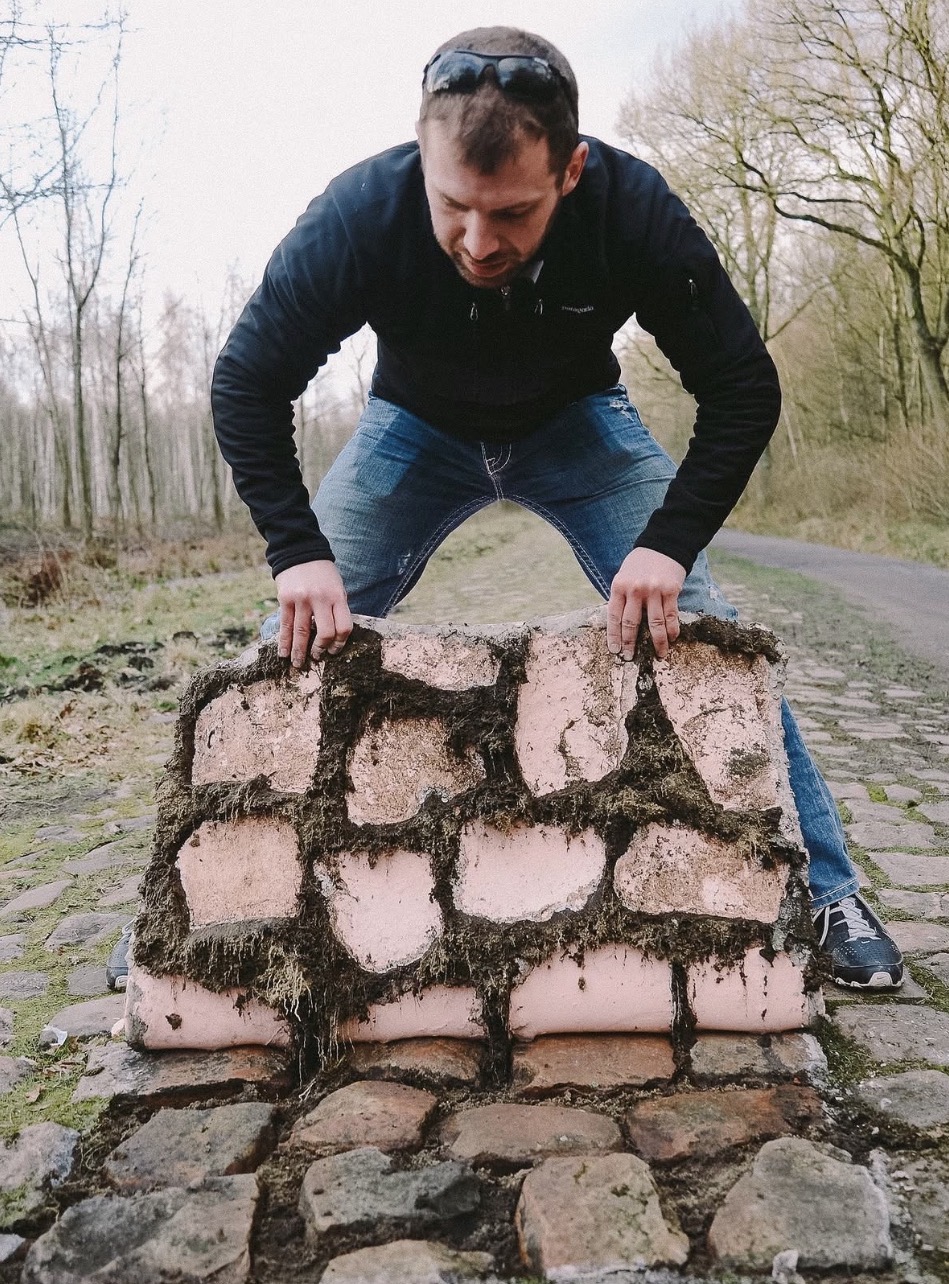
I pitched the testing capability, gained leadership approval and worked with Woodway on the specifications. Trek’s development account follows the work from road molds to the custom machine.
From road molds to a test machineYou have a composite product that has to hit a weight, a price and a production schedule at the same time, and right now it only manages two of them.
Maybe the design is close but the manufacturer can’t make it the same way twice. Maybe a new factory needs to learn your product before launch. Maybe a part keeps failing, and the test data, the supplier and the design team each have their own theory.
None of that belongs to design or manufacturing alone. It sits between them, and that’s where I’ve spent my career.
On my programs, material selection, ply orientations and final weights were my responsibility. I held final approval for test standards and results, quality-control checks and the technical go/no-go decision for production.
I set development priorities with the manufacturer, judging which direction had the strongest chance of working against the product requirements, the final weight and the price target. Where equipment affected a project, I reviewed its technical feasibility and made recommendations.
And I teach it. At Giant and Quest I trained the design engineers developing the laminates and the process engineers producing and troubleshooting them, in writing between visits and beside them in the lab and on the factory floor.
Email ReggieMaterial selection, ply orientation and laminate development were a substantial part of my own hands-on work. I also interpreted tests and investigated failures, connecting the design decisions with the results from the part.
“The modulus is the technical term for stiffness – how much it will stretch when you apply a load.”
I selected materials and developed manufacturing techniques and processes. The work had to account for product requirements, final weights and price targets, alongside the practical requirements of making the design.
I worked on test-results interpretation and failure investigation and analysis. I also worked with cross-functional teams on warranty trends and product improvements and on improving ride-test procedures.
I taught design engineers to develop laminates and manufacturing/process engineers to produce and troubleshoot them. At Giant and Quest, this included sustained written guidance, development-lab work and time on the factory floor beyond the first launch.
I led the Domane+ SL project and directed the suppliers integrating the motor, battery, display and controls. The drive system was TQ’s; getting all of it into something that still rides like a road bike was the job.
Before Trek, I worked as a process engineer at ATK Composites in Salt Lake City. I worked to Boeing’s product specifications and critical design parameters, coordinated manufacturing improvements with its quality engineers and worked with scheduling on deliveries.
At Trek in Waterloo, I worked on carbon-material utilization, machinery troubleshooting, throughput and process documentation with supervisors and production workers. Product development and design followed.
I implemented DesignConcept software and developed a process for flattening 3D shapes into manufacturing preforms, and assisted with step-joint development and its manufacturing process. Later I led Road & Speed R&D meetings, coordinating current development work, future needs and timelines with the core team.
I am a named co-inventor on the following selected records:
| Invention | Record and collaborators |
|---|---|
| Passive seat-tube pivot | US 8,857,841 B2 Reggie Lund and Christopher Pomering |
| High-compliance seat tube and internal cable routing | US 11,661,134 B2 Reggie Lund and Steven Moechnig |
| In-tube cavity and storage | US 11,511,824 B2 Steven Moechnig, Reggie Lund and Matthew Yerke |
I am also a co-author of Trek’s 2016 Madone white paper, which documents the team’s engineering and validation work.
Selected coverage of my work at Trek. Titles are as each publication gave them at the time.
Quoted as the Domane’s lead design engineer, on the frame’s IsoSpeed changes, laminates and tyre clearance.
“The capacity for larger tyres improves comfort to such a degree that it dwarfs what the front IsoSpeed device could offer.”
Interviewed as an R&D engineer at Trek on fibre stiffness and strength, cloth and unidirectional plies, and laminates that pass testing.
Names me among the engineers behind Trek’s field testing and the cobblestone molds that led to the test treadmill.
Quoted as Senior Mechanical Engineer at Trek on lower-carbon polymer parts for the Madone Gen 8.
“These parts are just one of the many things Trek is doing to reduce the impact of our products.”
Weight, price, the product’s requirements and what the factory can actually make. Priorities get set against all of them, with the manufacturer in the conversation.
Material, ply orientation and manufacturing method are one decision. A layup that can’t be built the same way every shift isn’t finished.
Interpret the results, investigate the failures, approve the standards. When the model and the part disagree, find out why before anyone builds more.
Written guidance between visits, time in the lab and on the floor, and a go/no-go call when the process is ready for production.
And it loops:
Warranty trends and ride-test results are test data nobody scheduled. I worked on both with cross-functional teams, and what showed up in the field went into the next program.
Sometimes the project is software.
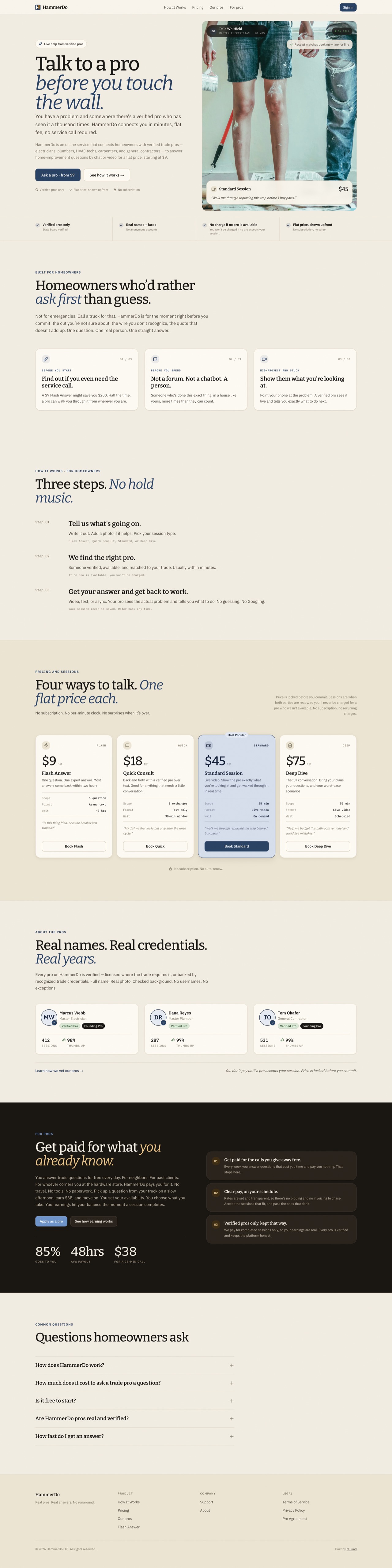
02Talk to a verified trade pro before you touch the wall. Flat price, no service call.
An idea Emily and I developed together. She built the product, connecting people working on home projects with trade expertise.
Shared builds at home, credited by who did what.
03Two growing seasons into a rooftop garden designed and built for everyday use. Phase one is complete, with more work planned.
I did most of the build; Emily painted the panels.
I’d rather find out what breaks first on paper than on your production line.
A composite product needs to meet weight, cost, performance, and manufacturing requirements; a production process needs development; or test results and field failures need an experienced technical review.
I work with design teams and manufacturers on materials, laminates, testing, process development, and production decisions. My systems-integration work connects supplied components into a product; it does not imply that I design their motors, firmware, or electronics.
Project, contract, and leadership engagements. Remote for design reviews and test data, with on-site work when the problem requires time in the lab or on the production floor.
A composite product in development, a manufacturing problem, a material decision or a part that keeps failing. Send what you have, what it needs to do and where the work is getting stuck.
A project, a contract or something longer. Based in Madison, Wisconsin.